Culturally safe and climate-appropriate housing for remote Aboriginal communities
↓
Wilya Janta works with communities, experts and governments to redesign housing systems so children and families can thrive.
Wilya Janta works with communities, experts and governments to redesign housing systems so children and families can thrive.
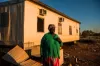
Diane Stokes Nampin outside the donga where she lives with her family on the edge of Tennant Creek. Diane has no mains power or running water.
Diane Stokes Nampin outside the donga where she lives with her family on the edge of Tennant Creek. Diane has no mains power or running water.
Remote housing is failing communities.
Across remote Australia, housing is not meeting the needs of the people who live in it. Overcrowding, poor design, and underinvestment are contributing to serious and preventable health issues.
Despite decades of funding and reform, the system continues to deliver the same outcomes.
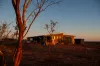
Norm and Serena’s home in Tennant Creek
Norm and Serena’s home in Tennant Creek
This is a national health issue.
Housing is one of the most important determinants of health.
When homes are overcrowded or unsafe, the impacts are immediate and long-term—spreading infectious disease, disrupting sleep, affecting education, and placing strain on families.
Improving housing is not just about infrastructure. It’s about improving health, wellbeing and opportunity.